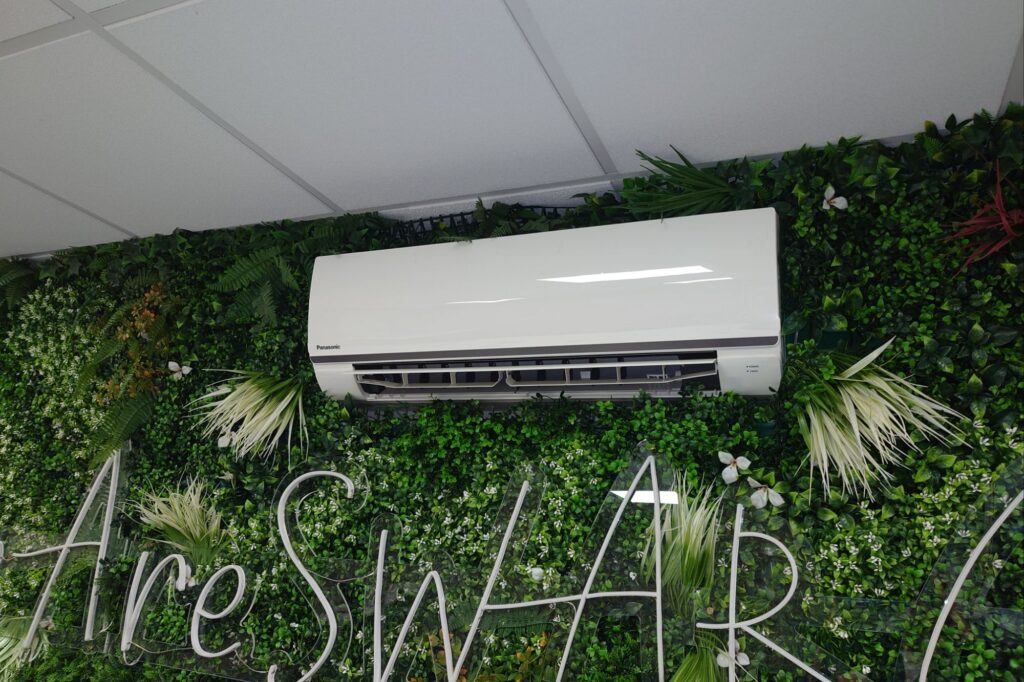
The transition toward climate-conscious living has transformed the way we view home comfort. No longer is “air conditioning” synonymous only with cooling; modern systems are highly sophisticated air-source heat pumps. For home offices and bedrooms—spaces where we spend the most significant portions of our lives—these systems offer a dual-purpose solution that balances superior energy efficiency with tangible health benefits.

The Efficiency Revolution: SEER and SCOP
Traditional heating and cooling systems often operate as separate, energy-hungry entities. Heat pumps, however, function by moving heat rather than generating it through combustion or pure electrical resistance. This process is measured by two key metrics:
* SEER (Seasonal Energy Efficiency Ratio): This measures cooling efficiency over a typical season. Modern units often achieve ratings between 18 and 24, meaning they are significantly more efficient than older units (which often hovered around 10).
* SCOP (Seasonal Coefficient of Performance): This measures heating efficiency. A high-efficiency heat pump typically has an SCOP of 4.0 or higher.
In practical terms, an SCOP of 4.0 means that for every 1 kW of electricity consumed, the unit produces 4 kW of heat. Compared to a traditional gas boiler (roughly 90-95% efficient) or an electric plug-in heater (100% efficient), a heat pump is effectively 400% efficient, drastically reducing carbon footprints and operational costs in the long run.
Health and Productivity Benefits
The air quality in a bedroom or home office directly impacts cognitive function and restorative sleep.
1. Advanced Air Filtration
Modern units, such as those installed by Subcooled Air Conditioning, feature multi-stage filtration systems. These capture dust, pollen, and microscopic allergens, which is a game-changer for hay fever sufferers or those with asthma. By circulating and cleaning the air, these systems prevent the “stale” environment common in closed-door home offices.
2. Humidity Control and Sleep Quality
The “Dry Mode” or dehumidification function is vital for UK summers. High humidity interferes with the body’s ability to cool itself, leading to restless nights. In a bedroom setting, maintaining a consistent, cool temperature (ideally around 18°C) and balanced humidity levels has been scientifically linked to deeper REM sleep.
3. Precision Concentration
In a home office, “thermal comfort” is a pillar of productivity. Studies show that cognitive performance begins to decline when room temperatures exceed 25°C or drop below 19°C. A heat pump provides whisper-quiet, precise temperature control that prevents the midday “brain fog” associated with overheating.
Installation Costs and Government Support
When choosing a specialist like Subcooled Air Conditioning, the focus is on “split system” air-to-air heat pumps for localized climate control.
Estimated Costs (2026)
| Installation Type | Typical Price Range (Installed) |
|—|—|
| Single Room (Bedroom/Office) | £1,500 – £2,500 |
| Multi-Split (2-3 Rooms) | £3,500 – £5,500 |
| Whole Home Air-to-Water | £8,000 – £14,000 |
Government Grants: The Boiler Upgrade Scheme (BUS)
As of 2026, the UK government has expanded the Boiler Upgrade Scheme to better support the decarbonization of home heating.
* Air-to-Water Systems: If you are replacing a fossil fuel boiler with a full central heating heat pump system, you may be eligible for a £7,500 grant.
* Air-to-Air Systems: For localized cooling and heating units (often used in offices/bedrooms), a newer grant tier of up to £2,500 has been introduced in 2026 to encourage the adoption of these efficient electric alternatives, provided they are the primary source of heat for those spaces.
Subcooled Air Conditioning is an MCS-certified installer, meaning they handle the application process for you, deducting the grant amount directly from your initial quote to minimize your out-of-pocket expenditure.
Conclusion
The integration of air conditioning heat pumps into the home is no longer a luxury—it is a strategic upgrade for health, productivity, and environmental responsibility. By leveraging high SEER/SCOP ratings and available government incentives, homeowners can create a sanctuary for work and rest that remains perfectly tempered 365 days a year.